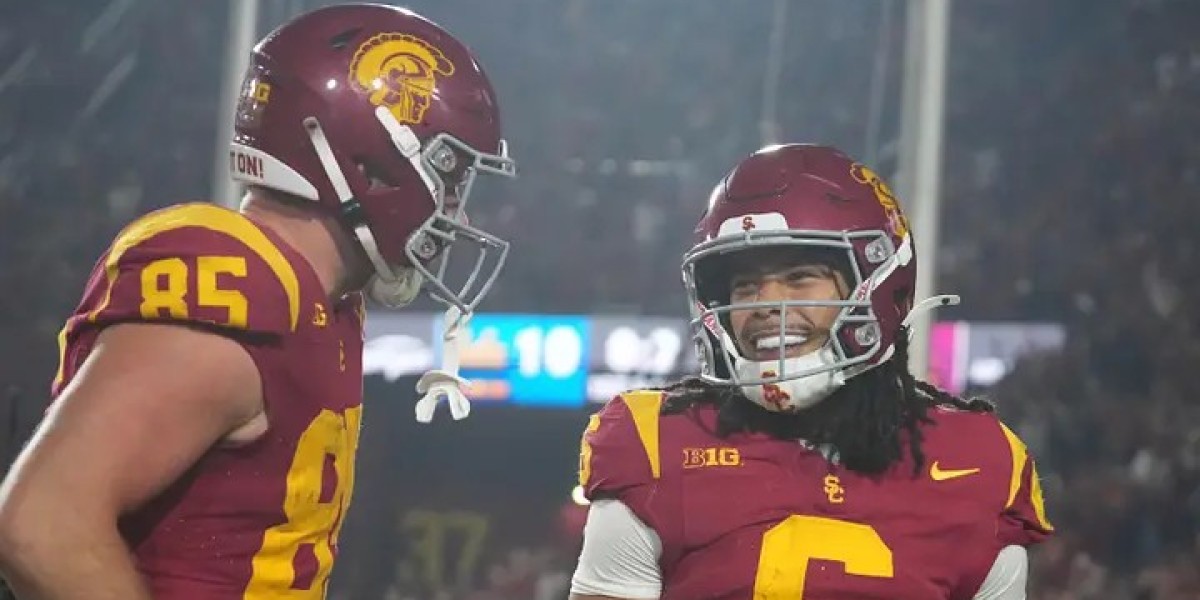

The defensive side of the game in College Football 27 is shaping up to be one of the most significant overhauls in recent memory. While previous iterations emphasized offensive College Football 27 Coins creativity and explosive scoring, this year’s preview suggests a deliberate shift toward making defense more dynamic, reactive, and skill-based. The goal is not simply to make defenders stronger in ratings, but to make defensive football feel more intelligent, responsive, and strategically demanding.
One of the most noticeable changes lies in defensive player AI behavior. Linemen no longer rush in predictable lanes every snap. Instead, they now read blocking schemes with greater nuance, recognizing pulling guards, delayed screens, and double-team formations with improved awareness. This allows edge rushers to adjust their angle mid-play, sometimes abandoning a straight sprint to the quarterback in favor of containment or pursuit of rollout lanes. The result is a more organic pass rush that mirrors real defensive discipline.
Linebackers have also received a substantial upgrade in spatial recognition. In previous versions, linebackers often reacted late to play-action or became overly aggressive against misdirection. In College Football 27, they exhibit more patience, holding their assignments longer before committing. This creates more realistic windows for quarterbacks, but also punishes overly simplistic offensive reads. A well-designed play-action fake now carries genuine risk for the offense, as linebackers may initially hesitate instead of immediately biting.
The secondary is where some of the most dramatic improvements become visible. Cornerbacks and safeties now adjust leverage based on route combinations rather than strictly reacting to individual receivers. This means coverage shells are more cohesive, with defenders communicating and shifting responsibilities in real time. Zone coverage, in particular, has become more intelligent, with defenders passing off routes more smoothly and closing gaps more effectively.
Perhaps the most impactful addition is the enhanced tackling system. Defensive players no longer rely on uniform tackle animations. Instead, tackling outcomes are influenced by pursuit angle, momentum, and body positioning. A linebacker arriving squarely at the ball carrier will deliver a fundamentally different tackle than a safety diving from behind. This creates more variability in broken tackles, gang tackles, and open-field stops, making every defensive play feel less scripted.
The defensive upgrade also extends to user control mechanics. Players now have more granular influence over pre-snap adjustments, including disguised coverages, delayed blitzes, and hybrid zone-man assignments. This encourages a more cerebral approach to defense, where reading the offense before the snap is just as important as reacting after it begins. The emphasis has clearly shifted toward strategic anticipation rather than pure stick skill.
Another subtle but important change is the improvement in fatigue and stamina modeling. Defensive players now experience more realistic endurance curves, meaning repeated high-effort plays—such as sprinting edge rushes or deep safety coverage—will gradually impact performance. This forces players to rotate personnel more thoughtfully, mirroring real coaching decisions.
Together, these changes point toward a defensive system that is no longer passive or reactive in a simplistic sense. Instead, defense in College Football 27 becomes an active chess CFB Coins sale match, where adjustments, anticipation, and situational awareness define success. The upgrade does not just make defense stronger; it makes it smarter, more varied, and more rewarding to master.